
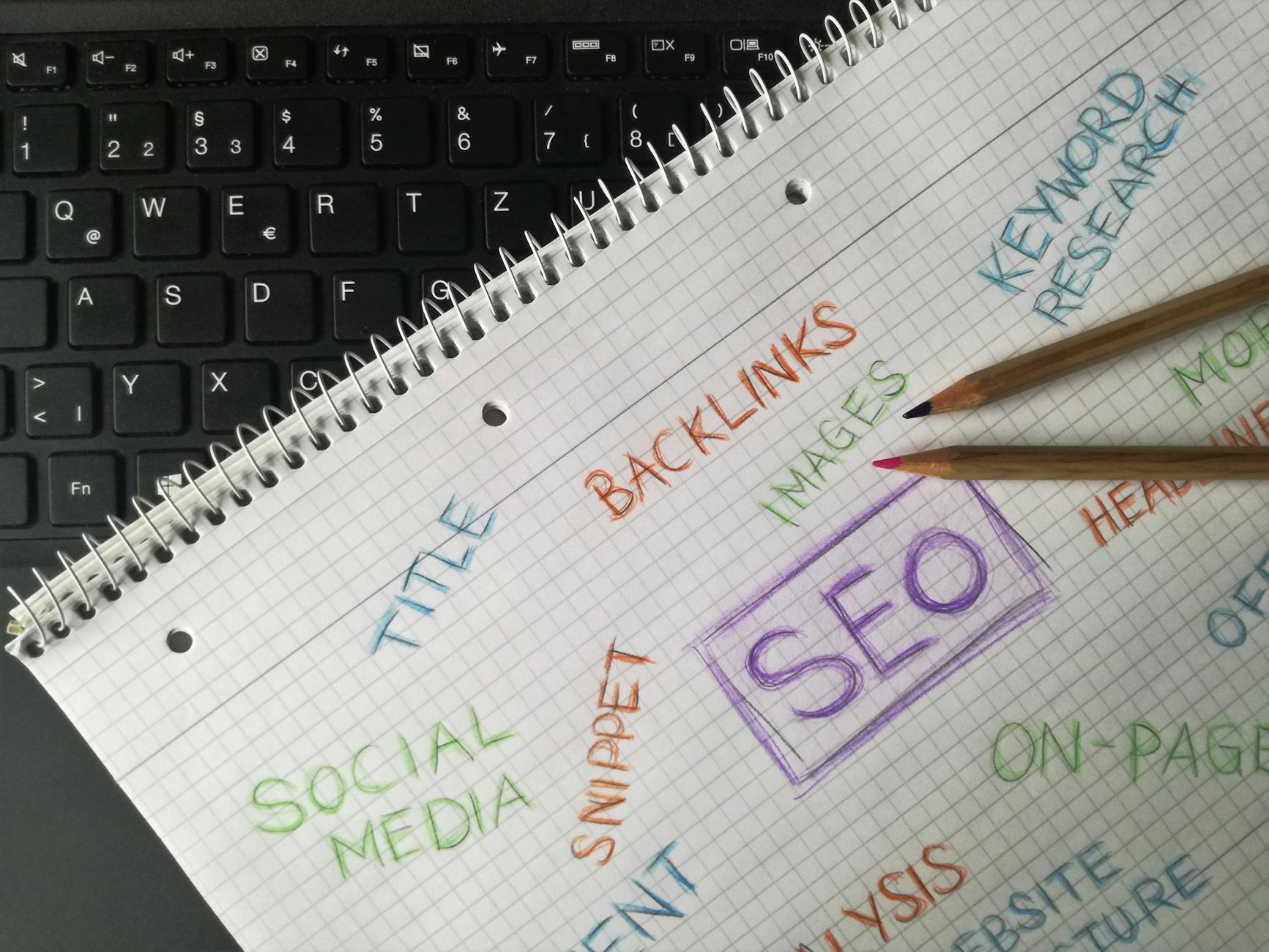
Is SEO Dead? Why Optimizing Your Website Is More Important Than Ever
“Is SEO dead?” It’s a question that’s been asked a thousand times, and with every major change in the tech world, it pops up again. Now, with the rise of AI-powered search and those incredibly smart chatbots, everyone’s wondering if the old rules of search engine optimization are still relevant.
The short answer is no, SEO isn’t dead. It’s just evolving. We’re no longer just competing to show up on a list of blue links. We’re now trying to get our information to be the very thing the AI uses to create its answer. This isn’t about abandoning SEO; it’s about upgrading it for a smarter, more conversational web.
The New Search: From Keywords to Conversations
Remember when we focused on fitting a specific keyword, like “best running shoes,” into our content a dozen times? That was the old way. Today, with tools like ChatGPT and Google’s new AI search features, the game has changed. These AIs are built to understand the intent behind a question, not just the words.
So, instead of just targeting “best running shoes,” we now need to be the authority that can answer a question like, “What are the best running shoes for a beginner with a wide foot?” The new SEO is about being the most helpful, trustworthy source of information, not just the one with the most keywords.
How to Get Your Website AI-Ready
This shift doesn’t mean you have to start from scratch. It just means you need to double down on what works and add a few new tricks. Here’s what you should focus on:
- Create Top-Notch, Trustworthy Content: This is the most crucial part. AI models are like super-fast researchers; they can tell the difference between well-researched, expert content and a quick, flimsy article. Your content needs to be original, accurate, and genuinely useful. Become the go-to expert in your field.
- Organize Your Content for Clarity: Think about how a person—or a bot—would scan your page. Use clear headings (H1, H2, etc.), bullet points, and short paragraphs. Make it easy to find the key takeaways. If your content could easily be summarized into a quick-answer box, you’re on the right track.
- Talk Like a Human, Answer Their Questions: People use conversational language when they search. So, your content should, too. Create a dedicated FAQ section that directly answers common questions your customers have. This makes it much more likely for an AI to pull your information for its own answer.
- Use Structured Data (Schema Markup): This is a technical one, but it’s important. Schema markup is a bit of code you can add to your website that tells search engines what your content is about. It helps them understand if a page is a recipe, a product, a review, or a local business. This gives AI a clear signal about your content, making it easier to cite accurately.
- Build Your Reputation Everywhere: AI doesn’t just look at your website. It pulls information from all over the web. This means your brand’s presence on review sites, social media, and other industry platforms matters more than ever. When an AI sees your brand consistently being mentioned as an expert, it builds your credibility.
The Rewards of a Smarter SEO Strategy
Changing your approach to SEO might sound like a lot of work, but it’s a huge opportunity. By focusing on quality and user intent, you’re not just playing by the new rules; you’re getting ahead of the competition.
An AI-optimized website can give you:
- Incredible Visibility: Being featured in an AI-generated response is even better than ranking first on a traditional search page. You’re the ultimate answer.
- Increased Authority: When an AI consistently uses your site as a source, it tells the world you’re an expert in your field.
- A Future-Proof Strategy: The web will keep changing, but a focus on creating high-quality, helpful, and well-organized content will always be a winning strategy.
So, is SEO dead? Absolutely not. It’s just smarter. The businesses that embrace this new, more human-centric approach to optimization are the ones that will thrive in this next chapter of the internet.


Leave a Reply